
Main Courses
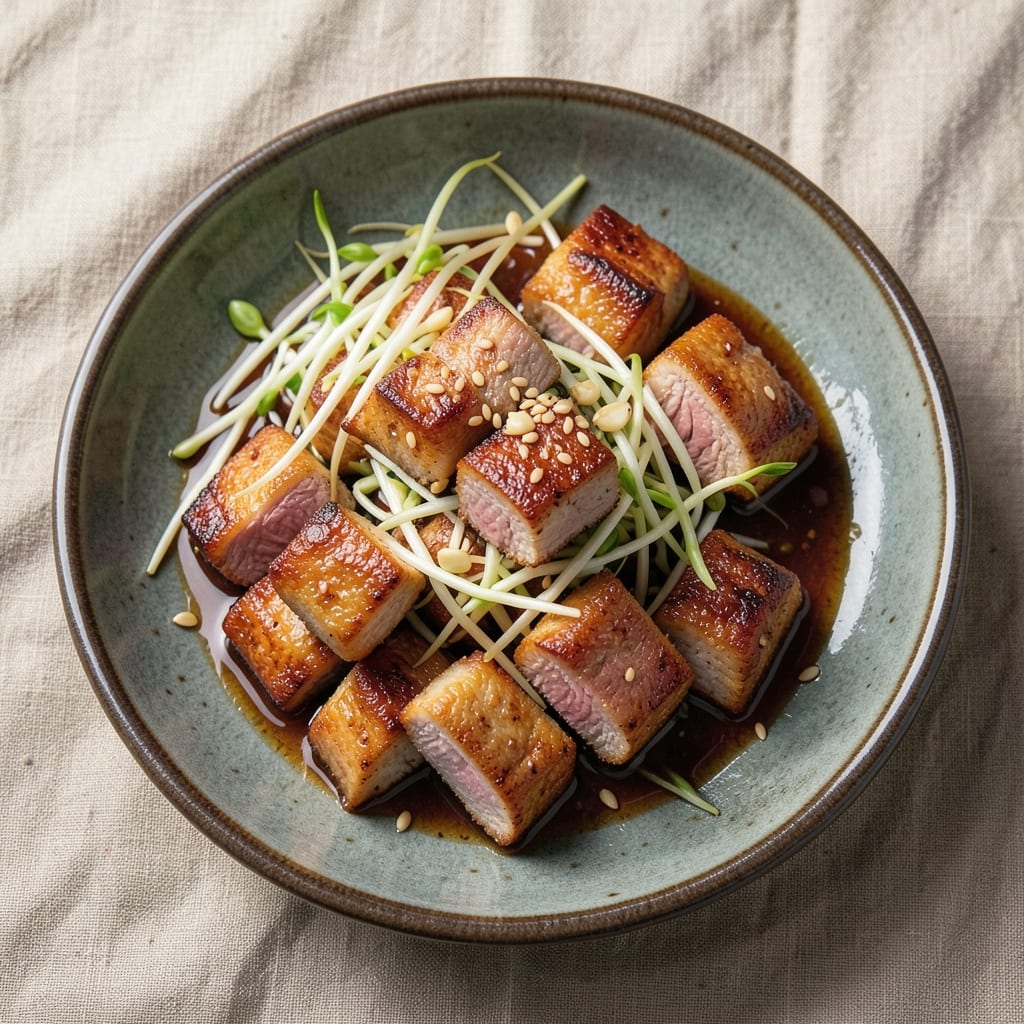
This bean sprout pork recipe delivers the perfect balance of crispy textures and umami-rich flavors that make every bite unforgettable. After years of perfecting stir-fry techniques, I've developed a method that transforms tender pork into golden, wok-crisped pieces while keeping the bean sprouts vibrant and fresh. The secret lies in high-heat searing followed by a quick wok toss that locks in juices and creates that signature caramelized crust.
What sets this recipe apart is the harmony of textures—crispy pork, tender sprouts, and a sauce that's both sticky and aromatic. The pork is marinated in a blend of soy sauce, rice wine, and garlic, ensuring deep flavor penetration before it hits the wok. Meanwhile, the bean sprouts get just a light sauté to maintain their crisp snap, providing the perfect contrast to the rich, caramelized pork.
By the time you plate this dish, you'll have restaurant-quality stir-fry with layers of flavor and texture that sing. The pork emerges with a beautiful mahogany crust while staying juicy inside, and the bean sprouts add freshness that cuts through the richness. This is the kind of dish that transforms a simple weeknight dinner into something special—without requiring advanced techniques.
Perfect for serving with steamed rice or noodles, this recipe scales beautifully for both intimate dinners and larger gatherings. The method stays true to traditional Chinese stir-fry principles while offering flexibility for modern adaptations like adding chili flakes or sesame seeds for extra depth. Let's bring this crispy-wok crunch to your table.
Ingredients for bean sprout pork
Crispy pork cubes, vibrant sprouts, and umami-rich sauce—these ingredients transform a simple wok into a flavor explosion.
| Ingredient | Amount | Notes |
|---|---|---|
| Boneless Pork Tenderloin 🥩 | 1 ¼ lb | Cut into 1-inch cubes |
| Mung Bean Sprouts 🌱 | 4 cups | Fresh, trimmed ends |
| Soy Sauce 🍶 | ½ cup | High-quality, light variety |
| Rice Wine 🍷 | ¼ cup | Dry sherry substitute |
| Garlic Cloves 🧄 | 6 cloves | Minced, aromatic |
| Sesame Oil 🫒 | 1 tbsp | Toasted, for aroma |
| Neutral Oil 🫒 | 2 tbsp | Vegetable or canola |
| Cornstarch 🌾 | 2 tbsp | For crispy coating |
| Honey 🍯 | 1 tbsp | For caramelization |
| Fresh Ginger 🌿 | 1 tbsp | Grated, zesty |
| Green Onions 🧅 | 3 whole | Thinly sliced, garnish |
| Sesame Seeds 🌾 | 1 tbsp | Toasted, optional |
| Red Chili Flakes 🌶️ | ½ tsp | Adjust to taste |
| Salt 🧂 | 1 tsp | Kosher, for seasoning |
| Black Pepper 🌶️ | ½ tsp | Freshly ground |
The pork tenderloin is non-negotiable for this dish—look for well-marbled cuts at Whole Foods or your local butcher for the best texture. Mung bean sprouts should be bright green and crisp, so skip the wilted ones in the back of the produce section. For soy sauce, Kikkoman or Pearl River Bridge deliver that authentic umami punch. If you can't find rice wine, dry sherry works perfectly—just make sure it's not sweet. Garlic and ginger need to be freshly grated or minced for maximum flavor impact, and sesame oil should be toasted for that nutty aroma.
No rice wine? Dry white wine or mirin can stand in, though the flavor will be slightly different. Swap sesame oil for avocado oil if you're avoiding sesame, but you'll lose that signature aroma. For extra crispiness, toss the pork in cornstarch twice—once before marinating and once before cooking. If you're feeling adventurous, add a splash of fish sauce to the marinade for deeper umami. The bean sprouts can be blanched for 30 seconds if you prefer them even crisper, but I like them just barely wilted for that perfect bite. For a smoky twist, swap half the soy sauce for dark soy sauce—it's less salty and adds color.
This dish is all about timing—pork goes in, cooks fast, and gets tossed out immediately. Keep everything prepped and within arm's reach of your wok or skillet. The sauce can be made ahead and reheated, but the pork and sprouts should be cooked fresh. Store leftovers in an airtight container for up to 3 days, though it's best enjoyed within 24 hours for peak crispiness. For a quick meal prep hack, marinate the pork overnight and store the sauce separately—just cook and toss when ready.
Why You'll Love This Recipe
- One-Pan Magic: I swear by this recipe when I’m too tired to scrub pots—just sear the pork, toss in the sprouts, and let the garlic and soy sauce work their magic. The tenderloin stays juicy while the sprouts crisp up in the same pan. Minimal cleanup, maximum flavor.
- Umami Bomb: That combo of soy sauce and rice wine? It’s like a little flavor explosion. The pork absorbs just enough to stay tender, while the garlic and sprouts add a fresh crunch that cuts through the richness. Honestly, the first bite makes me want to eat it straight from the wok.
- Lunchbox Hero: Pack this for work or school—it’s hearty enough to fill you up but light enough to not weigh you down. I’ll often double the batch: half for dinner, half for leftovers that reheat beautifully. The sprouts stay crisp even after chilling, so it’s never sad desk food.
- Budget Win: Pork tenderloin is lean and affordable, and mung bean sprouts stretch a meal without breaking the bank. A single cut of pork feeds four, and the rest of the ingredients cost pennies. Between us, this is my go-to when I’m trying to feed the family without stressing over grocery bills.
Step-by-step instructions for crispy-wok crunch with umami depth
Here's how to achieve that perfect balance of crispy pork and vibrant sprouts with deep umami flavor.
Prep the Pork for Maximum Crispiness
Cut the 1.25 lb boneless pork tenderloin into 1-inch cubes—uniform size ensures even cooking. Place them in a bowl and toss with 2 tablespoons cornstarch, 1 teaspoon salt, and ½ teaspoon black pepper. This coating creates a golden, shatteringly crisp crust that locks in juices. Let the pork sit for 10 minutes while you prep the rest.
I press the cubes gently into the cornstarch mixture to ensure full coverage—this prevents any dry spots that would lead to uneven browning. The cornstarch acts like a shield, absorbing moisture and creating that wok-crunch texture we're after.
Build the Flavor Base in the Wok
Heat a wok or large skillet over high heat until it's smoking hot. Add 2 tablespoons neutral oil and swirl to coat. Toss in the 6 minced garlic cloves and 1 tablespoon grated fresh ginger, stirring constantly for 30 seconds until fragrant but not browned. Add ½ teaspoon red chili flakes and stir for another 10 seconds—this builds the aromatic foundation.
Don't walk away during this step. Garlic burns in seconds, and that bitter taste ruins everything. The moment you smell that sweet, pungent aroma, you're ready for the next phase. Keep the heat high—this is where the magic happens.
Sear the Pork to Golden Perfection
Working in batches if needed, add the pork cubes to the wok in a single layer. Let them sear undisturbed for 2-3 minutes until they develop a deep golden-brown crust on all sides. This initial sear locks in juices and creates that coveted crunch. Flip carefully with tongs and cook another 2-3 minutes until 80% cooked—they'll finish cooking in the sauce.
Here's the thing—if you crowd the wok, the pork will steam instead of sear. You'll know it's ready when the edges are crispy and the internal temperature reaches 145°F. Remove the pork to a plate and set aside, keeping it warm.
Create the Umami-Packed Sauce
Reduce heat to medium-high and add 1 tablespoon sesame oil, letting it sizzle for 10 seconds to infuse flavor. Pour in ½ cup soy sauce and ¼ cup rice wine, scraping up any browned bits from the bottom with a wooden spoon. Add 1 tablespoon honey and 4 cups mung bean sprouts, tossing everything together for 1-2 minutes until the sprouts just begin to wilt.
The sauce should coat the back of a spoon with a glossy sheen. If it's too thick, add 1-2 tablespoons hot water to loosen it slightly. The balance of sweet (honey), salty (soy sauce), and acidic (rice wine) creates that signature umami depth we're chasing.
Finish and Garnish for Restaurant-Quality Crunch
Return the pork to the wok and toss everything together for 1-2 minutes until the pork reaches 160°F internally. The residual heat will finish cooking the pork while absorbing the flavorful sauce. Taste and adjust seasoning—you might need a touch more soy sauce or a pinch of salt.
Divide among plates and garnish with 3 thinly sliced green onions and 1 tablespoon toasted sesame seeds. The contrast of crispy pork, tender sprouts, and that final crunch of sesame seeds takes this dish to another level. Serve immediately while everything is hot and vibrant.
Pro Tips For Making Bean Sprout Pork
- Slice Pork Thin First: I learned this the hard way—thick slices of pork tenderloin won’t cook through evenly in the stir-fry. Cut them paper-thin (about ¼-inch) before marinating so they hit the wok ready to cook in seconds, not minutes. (Yes, even if it means extra effort with a sharp knife.)
- Blanch Sprouts for Crunch: Skip the soggy texture by giving mung bean sprouts a quick 30-second blanch in boiling water, then shock them in ice water. They’ll stay crisp when tossed with the pork later, and the cold water stops them from wilting the second they hit the pan.
- Use Dry Pork, Not Wet: Pat those pork slices bone dry with paper towels before hitting the pan. Wet pork steams instead of searing, and you’ll end up with a sad, gray mess instead of the caramelized edges you want. Trust me, the extra 10 seconds saves the dish.
- Garlic First, Then Wine: Add minced garlic to the wok before the pork, but pull it out after 10 seconds—it burns faster than you think. Then push it to the side, add the pork, and splash in the rice wine to deglaze. The garlic stays fragrant, and the sauce actually sticks to the meat. (I used to scramble this order and wondered why my dish tasted flat.)
Storing and reheating your bean sprout pork
Refrigerator Storage
Store leftovers in an airtight container for up to 3 days—I use glass Pyrex with snap-on lids to maintain freshness. Let the dish cool for 2 hours before refrigerating to prevent condensation, which can make the pork soggy. The bean sprouts will soften slightly over time, so reheat quickly to preserve their texture. 🌱
Freezer-Friendly Tips
For longer storage, freeze portions in single-serving airtight containers for up to 2 months. The cornstarch coating helps prevent freezer burn, but I still recommend squeezing out excess air before sealing. Thaw overnight in the fridge—never microwave directly from frozen, or the pork will lose its crispiness.
Stovetop Reheating
My preferred method is stovetop reheating over medium-high heat for 3-4 minutes with a splash of 1 tablespoon water or rice wine. This restores the crispy texture by steaming the bean sprouts just enough to revive their snap while keeping the pork golden. Toss in a pinch of salt and sesame oil to refresh the flavors.
Microwave Shortcut
For quick meals, cover with a damp paper towel and heat on 70% power for 1-2 minutes, stirring halfway. Add ½ teaspoon sesame oil after microwaving to restore aroma. The texture won't be as crispy, but it's a solid backup when time is tight. 💡
Reviving Crispiness
If leftovers lose their crunch, no worries! Toss them in a hot wok or skillet with ½ teaspoon cornstarch and 1 teaspoon neutral oil for 1-2 minutes until golden again. This quick sear brings back that restaurant-quality texture you crave.
Sauce Separation Fix
If the sauce separates when reheating, stir in 1 teaspoon honey or rice wine to re-emulsify. For extra richness, add a splash of chicken or pork broth—it blends seamlessly and prevents a dry finish. The key is gentle heat and constant stirring to maintain that glossy sheen. ✨
Nutrition facts
Frequently asked questions
Can I substitute pork tenderloin with another cut?
Yes, but choose cuts with similar tenderness and fat content. Pork loin chops or pork shoulder work well—just slice the shoulder thinly against the grain for tenderness. Avoid fatty cuts like ribs, as they won't develop the same crispy texture. If using shoulder, trim excess fat and pat dry thoroughly before coating with cornstarch.
How do I keep the bean sprouts extra crisp?
For maximum crunch, blanch the sprouts first: Boil for 30 seconds, then immediately shock in ice water. Drain well and pat dry with a paper towel before adding to the wok. Alternatively, add them to the wok just 30 seconds before serving to maintain their snap. The key is minimal cooking time—overcooking turns them mushy.
What's the secret to getting that perfect wok hei?
Wok hei (breath of the wok) comes from high, even heat and proper technique. Use a carbon steel or cast iron wok preheated until it's smoking hot. Swirl the oil around the wok's sides to create a thin, even film. Work quickly—once you add the pork, keep it moving constantly to prevent sticking. The residual heat from the wok will carry the aromas and create that signature smoky flavor.
Is this recipe gluten-free?
Not traditionally, but you can adapt it easily! Replace soy sauce with tamari or coconut aminos (use ½ cup + 1 tablespoon rice vinegar for similar umami). Check your cornstarch label—most brands are gluten-free, but arrowroot powder is a foolproof alternative. For extra crispiness, use potato starch instead. The flavor will be slightly different but still delicious.
Can I make this recipe ahead of time?
You can prep components ahead, but not the final dish. Marinate the pork overnight for maximum flavor. Pre-chop all vegetables and store in airtight containers in the fridge for 2 days. Make the sauce separately and reheat it gently. When ready to cook, sear the pork fresh and toss with prepped sprouts—this ensures that signature crispy texture you can't get from reheating.