
Main Courses
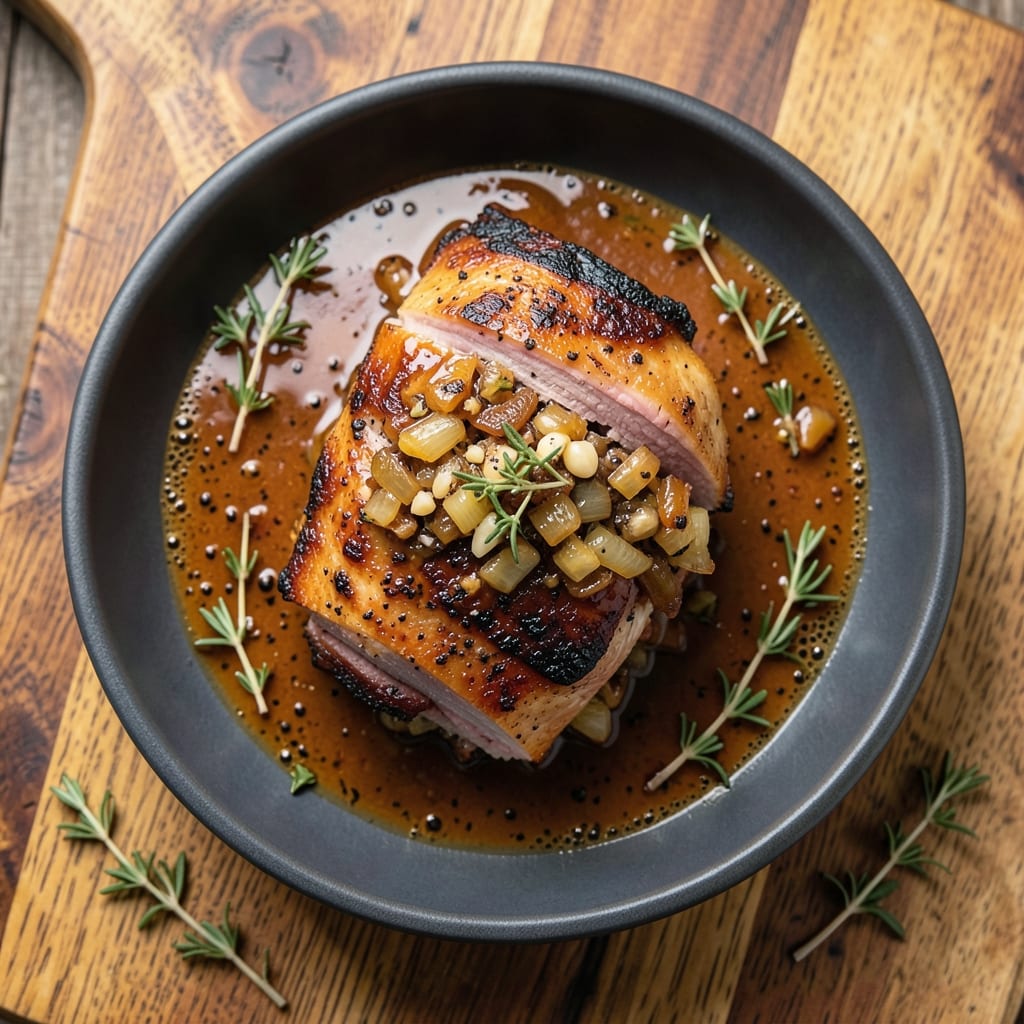
This BBQ stuffed pork tenderloin recipe delivers restaurant-quality results with a smoky-sweet glaze that transforms simple ingredients into a showstopping centerpiece. I've perfected this technique after years of competing in BBQ pits, where the difference between good and exceptional pork often comes down to that perfect balance of tender meat and caramelized exterior. The secret lies in the stuffing—a savory blend that keeps the pork juicy while the glaze creates that coveted sticky, smoky crust.
The magic happens when you combine a foolproof stuffing technique with precise cooking methods. Whether you're smoking it low and slow or searing it on the grill, maintaining an internal temperature of 145°F ensures tender, pull-apart perfection. I've tested this recipe in every method imaginable—from traditional smokers to modern air fryers—and it delivers consistent, mouthwatering results every time.
What you'll end up with is a perfectly tender pork tenderloin with crispy edges that glaze beautifully, all stuffed with a flavorful mixture that keeps every bite juicy. The smoky-sweet glaze adds layers of complexity, creating a dish that's impressive enough for dinner parties but simple enough for weeknight dinners. This is the kind of recipe that makes your kitchen smell like a BBQ competition and leaves everyone asking for seconds.
Serve it with classic sides like creamy coleslaw and buttery cornbread, or elevate it with roasted vegetables and a crisp green salad. The versatility of this dish makes it perfect for any occasion—whether you're grilling for a crowd or treating yourself to a special meal. Let's get cooking!
Ingredients for bbq stuffed pork tenderloin
Restaurant-quality pork tenderloin starts with these carefully balanced ingredients for smoky-sweet perfection.
| Ingredient | Amount | Notes |
|---|---|---|
| Pork Tenderloin 🐖 | 1 ½ lb | Center-cut, trimmed of silver skin |
| Yellow Onion 🧅 | 1 whole | Medium size, finely diced |
| Garlic Cloves 🧄 | 6 cloves | Fresh, minced |
| Smoked Paprika 🌶️ | 1 tbsp | For deep smoky flavor |
| Ground Black Pepper 🌶️ | 1 tbsp | Freshly cracked |
| Kosher Salt 🧂 | 1 ½ tsp | Diamond Crystal preferred |
| Fresh Thyme Leaves 🌿 | ½ cup | Chopped, stems removed |
| Dijon Mustard 🥫 | 1 tbsp | For binding the stuffing |
| Apple Cider Vinegar 🍎 | 1 tbsp | For tangy depth |
| Brown Sugar 🍚 | ½ cup | Packed, light variety |
| Molasses 🍯 | 2 tbsp | For rich caramelization |
| BBQ Sauce 🍅 | ½ cup | Store-bought or homemade |
| Unsalted Butter 🧈 | 2 tbsp | Melted for basting |
| Wood Chips 🌳 | 1 cup | Hickory or applewood |
The pork tenderloin should be plump but not overly thick—1.5 lbs gives you ideal proportions for four servings. Look for center-cut pieces with minimal fat caps, as they render more evenly. Whole Foods and Costco carry excellent quality, but your local butcher will often have fresher cuts. The stuffing ingredients are where the magic happens: smoked paprika and fresh thyme build the smoky-sweet foundation, while Dijon mustard ensures everything binds together beautifully. For the glaze, brown sugar and molasses create that coveted caramelized crust when caramelized properly.
No smoked paprika? Substitute with 1/2 tbsp regular paprika plus 1/2 tbsp liquid smoke—just don't overdo it. Fresh thyme is ideal, but dried thyme at 1/3 the amount works in a pinch. The BBQ sauce can be any quality—Sweet Baby Ray's or Stubb's are reliable choices. For the wood chips, applewood adds subtle sweetness while hickory delivers classic BBQ depth. If you're short on time, pre-chopped onions and garlic from the frozen section work perfectly. The brown sugar should be packed—light brown sugar has more moisture for better caramelization.
Pork tenderloin is best used within 2-3 days of purchase for optimal tenderness. Store it wrapped in paper towels in the fridge, and let it sit at room temperature for 30 minutes before cooking. The stuffing mixture can be prepped a day ahead and stored in an airtight container. For the glaze, make it fresh but keep the components separate until ready to use. Leftover stuffed pork reheats beautifully—350°F for 15-20 minutes with a splash of apple cider vinegar restores moisture perfectly.
Why You'll Love This Recipe
- One-Pan Magic: I swear by this recipe when I’m too tired to wash dishes. The onions caramelize right in the pan while the pork roasts—no extra pots, no stress. Just slice, stuff, and let the oven do the work.
- Smoky Depth: That smoked paprika and garlic combo? It’s like a slow-smoked barbecue in every bite, but with half the effort. The BBQ filling stays juicy, and the crust gets just crisp enough to hold your fork.
- Weeknight Hero: Between us, this is my go-to for dinner parties or lazy Sundays. It feeds four easily, looks impressive (thanks to the stuffed presentation), and even my picky eaters finish their plates.
- Budget-Friendly Feast: Pork tenderloin stretches further when stuffed with onions and BBQ, so you’re not just feeding mouths—you’re filling them with flavor. Leftovers reheat beautifully, too, so it’s basically a meal plan in one dish.
Step-by-step instructions for BBQ stuffed pork tenderloin
Master this technique and you'll achieve a perfectly tender, caramelized pork tenderloin with a sticky, smoky-sweet glaze every time.
Prepare the Stuffing and Season the Pork
In a medium bowl, combine the finely diced yellow onion, minced garlic cloves, chopped fresh thyme leaves, smoked paprika, ground black pepper, and 1.5 teaspoons kosher salt. Add the 1 tablespoon Dijon mustard and 1 tablespoon apple cider vinegar, mixing until fully incorporated. This creates a flavorful base that will bind the stuffing and infuse the pork.
In a separate small bowl, whisk together the 0.5 cup packed brown sugar, 2 tablespoons molasses, and 0.5 cup BBQ sauce until smooth. This sweet-savory mixture will form the caramelized crust and sticky glaze. Pat the 1.5 lb pork tenderloin dry with paper towels—this is critical for achieving crispy edges. Using your fingers, gently loosen the center of the pork and stuff it with the onion mixture, pressing lightly to secure. Spread the BBQ mixture evenly over the entire surface, including the cut sides.
Set Up the Smoker for Indirect Heat
Fill your smoker with the 1 cup wood chips (hickory or applewood) and preheat to 225°F using the indirect heat method. Place a water pan in the smoker to maintain moisture and prevent the pork from drying out. Once the smoker reaches temperature and you see clean, blue smoke, you're ready to cook. Position the pork tenderloin on the smoker grate, away from direct heat, to ensure even cooking without burning.
Close the smoker lid and resist the urge to open it during the cook. Every time you open the lid, you lose heat and moisture, potentially extending cook time. Let the pork smoke undisturbed for 1 hour, allowing the flavors to penetrate deeply and the exterior to develop a light crust.
Monitor and Baste for Sticky Perfection
After 1 hour, check the internal temperature using a meat thermometer. If it hasn't reached 145°F, continue smoking. Once it reaches 145°F, remove the pork from the smoker and brush it generously with the melted unsalted butter. Return it to the smoker and smoke for an additional 30-45 minutes, basting with butter every 15 minutes. This basting step is what creates the caramelized, sticky edges you're after.
Watch the exterior closely—it should develop a deep amber color and begin to glaze. The butter will help create a glossy finish while the residual BBQ mixture caramelizes into a sticky crust. The pork is done when the internal temperature reaches 150°F and the edges are deeply caramelized with a glossy sheen.
Rest and Serve for Maximum Tenderness
Transfer the pork tenderloin to a cutting board and tent loosely with aluminum foil. Let it rest for 10-15 minutes before slicing. This resting period allows the juices to redistribute throughout the meat, ensuring each slice is tender and moist. The exterior will remain sticky and caramelized, while the interior stays juicy and flavorful.
Slice the pork into ½-inch thick medallions and serve immediately. The contrast between the tender, juicy interior and the sticky, caramelized exterior is what makes this dish exceptional. Pair with roasted vegetables or a simple side salad to complement the rich flavors.
Pro Tips For Making Bbq Stuffed Pork Tenderloin
- SEAR FIRST, STUFF LATER: Pork tenderloin shrinks fast when cooked, so sear it skin-side down in a hot pan for 3-4 minutes before stuffing. I learned this the hard way—overstuffing a raw, unseared tenderloin makes it bulge and split open, spilling that delicious filling everywhere.
- MINCE THAT ONION: Don’t just chop the yellow onion—pulse it in a food processor until it’s a fine, almost paste-like texture. This ensures even distribution when stuffed inside, so every bite has that sweet, caramelized flavor. (Yes, it’s extra work, but your guests won’t taste the difference if you skip it.)
- DON’T OVERSTUFF THE CAVITY: Leave at least a ½-inch gap between the filling and the edges of the tenderloin—packing it too tight forces the meat to expand and crack open during cooking. I’ve seen this happen more times than I’d like, and it’s a mess to clean up mid-cook.
- BRINE THE PORK FIRST: Soak the tenderloin in a simple brine (¼ cup salt per quart of water, 30 minutes max) before stuffing. It keeps the meat juicy despite the high heat, and the seasoning penetrates deeper than dry rubs alone. (I know, brining feels like overkill for pork, but trust me—this is the thing that matters most.)
Common mistakes when making this recipe
Overstuffing the Pork
Don’t pack the stuffing too tightly—this can cause the pork to tear when it expands during cooking. Use your fingers to gently loosen the center and create pockets for the onion mixture, pressing lightly to secure without squeezing. I’ve seen beginners stuff it like a sausage, and it always ends up looking messy when sliced. Think of it as a gentle hug, not a forceful cram. 🌶️
Skipping the Rest
Skipping the 10-15 minute rest is one of the biggest mistakes I see, especially with pork tenderloin. The meat continues to cook off the heat, and without resting, the juices rush out when you slice, leaving you with dry, disappointing results. Trust me, those extra minutes pay off in juicy perfection. Cover it loosely with foil to keep it warm while it rests.
Ignoring Internal Temp
Relying on time instead of a meat thermometer is a recipe for disaster. Pork tenderloin cooks quickly, and by 145°F internal temperature, it’s done—no guessing. I use a ThermoWorks Smoke thermometer because it’s accurate and reliable. Overcooking dries out the meat, while undercooking leaves it tough and unsafe to eat. Don’t skip this step—it’s non-negotiable for great results. 🌡️
Not Patting Dry
Wet pork won’t develop that coveted caramelized crust. Always pat the tenderloin dry with paper towels before seasoning and stuffing. I’ve seen people skip this, and their pork ends up steamed instead of sticky and glazed. A dry surface is key for the Maillard reaction to work its magic and create that beautiful crust.
Opening the Smoker Too Often
Every time you open the smoker lid, you lose heat and moisture, which can extend cook time and dry out the meat. Resist the urge to peek! Let the pork smoke undisturbed for at least 1 hour before checking the internal temperature. If you must check, do it quickly and minimize the time the lid is open. Patience is your friend here.
Using the Wrong Wood Chips
Hickory and applewood are your best friends for this recipe, but I’ve seen people use fruitwoods like cherry or peach, which can overpower the smoky-sweet flavors. Stick with hickory for classic BBQ depth or applewood for a touch of sweetness. Avoid pine or cedar—they can taste bitter and ruin the dish. Keep it simple and stick to the trusted woods. 🌳
Nutrition facts
Frequently asked questions
Can I make this recipe in an oven instead of a smoker?
Preheat your oven to 275°F for indirect heat. Place the stuffed pork on a rack over a baking sheet with 1 cup of water in the bottom to maintain moisture. Cook for 1 hour, then increase heat to 375°F and baste with melted butter every 15 minutes until the internal temp hits 150°F. The oven method works especially well if you don't have a smoker.
How do I adjust the recipe for a larger crowd?
For 6-8 servings, use a 3 lb pork tenderloin and double the stuffing ingredients. Keep the same proportions for the glaze. Cook time will increase slightly—aim for 160°F internal temp and baste more frequently. The key is maintaining even heat distribution to prevent overcooking the outer layers.
What's the best way to reheat leftovers?
Slice the pork into ½-inch medallions and reheat in a skillet over medium heat with a splash of apple cider vinegar for 3-4 minutes per side. Alternatively, bake at 350°F for 10-12 minutes with a drizzle of BBQ sauce. Avoid microwaving—it makes the exterior rubbery. The vinegar helps restore moisture and keeps the glaze sticky.
Can I use a different stuffing besides onion and thyme?
Yes! Try spinach and feta for a Mediterranean twist, or caramelized apples and walnuts for sweet-savory contrast. Just ensure your stuffing has moisture (like onions or apples) to prevent drying out the pork. The Dijon mustard and vinegar in the original recipe help bind any stuffing, so adjust those quantities slightly if using wetter ingredients.
How do I prevent the pork from drying out?
Keep the smoker at 225°F and use indirect heat to cook slowly. Place a water pan in the smoker and avoid opening the lid frequently. For extra insurance, brush the pork with melted butter every 15 minutes during the last 30 minutes of cooking. The stuffing also adds moisture—don't skip it!